Toyosu
The area's primary draw for visitors is the Toyosu Market, which includes Uogashi Yokocho, where much of Tokyo's fresh seafood and produce is traded daily.
6 stores, plotted
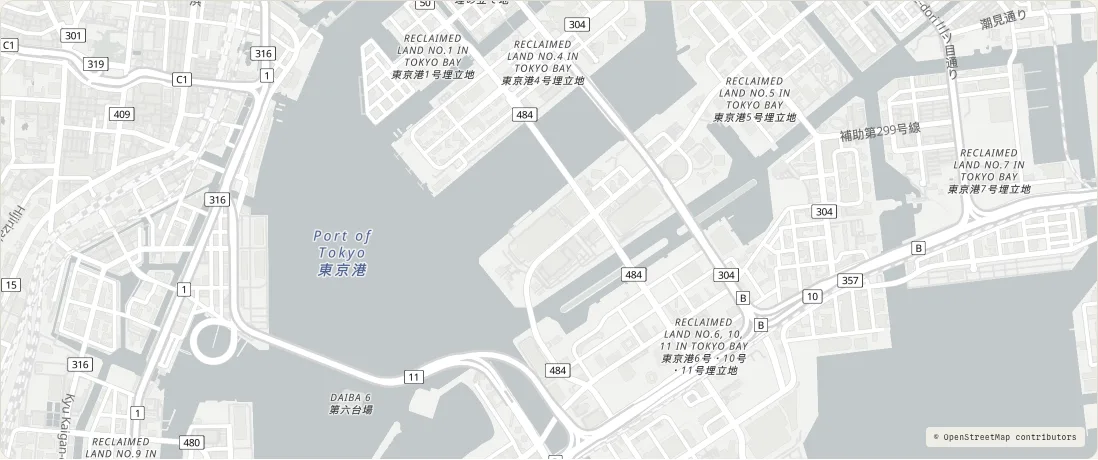
Uogashi Yokocho
Uogashi Yokocho, located at 6 Chome-6-1 Toyosu, offers a direct look into Tokyo's seafood trade; arrive just after 9 AM on a weekday to see the market's activity without the earliest wholesale rush.
FamilyMart
FamilyMart at Toyosu Center Building Annex, open until 10 PM on weekdays, provides essential convenience for those in the Toyosu area.
Natural Lawson
Natural Lawson Toyosu market is open 24 hours, providing healthy meal options and snacks around the clock.
Lawson Kokusai-Tenjijō Station
Lawson Kokusai-Tenjijō Station, open 24 hours near the exhibition center, offers quick access to Japanese snacks and ready meals at any time.
Bunkado Toyosu
Bunkado Toyosu on Toyosu 3 Chome provides a convenient source for fresh bento boxes and ready-to-eat meals, perfect for those staying nearby.
Lawson at Toyosu Center Building
Lawson at Toyosu Center Building, open weekdays from 7 AM to 9 PM, provides a convenient stop for travelers navigating the Toyosu area's office and market district.
Toyosu, in short
Toyosu is a modern district built on reclaimed land in Tokyo Bay. It features numerous residential towers and commercial facilities, giving it a contemporary, planned feel.
Many locals visit Uogashi Yokocho early in the day for its selection of fresh ingredients and prepared foods. Located in Tokyo's Koto Ward, Toyosu sits southeast of the city center and is accessible via the Shijō-mae station, offering a different perspective from the older, more densely packed areas of Tokyo.
Market Experience
Uogashi Yokocho provides a concentrated market experience for fresh ingredients and prepared foods. Visiting in the morning allows you to see the market's activity and access the freshest selections.
Late Night Shopping
Do not plan for late-night grocery shopping. Uogashi Yokocho is not open 24 hours, and its operations are geared towards early morning activity for fresh goods.
Quick answers
What kind of shopping will I find in Toyosu?
Toyosu is home to the Toyosu Market, which includes Uogashi Yokocho. This area specializes in fresh ingredients and prepared foods, particularly seafood, reflecting its role as a major wholesale market.
When is the best time to visit Uogashi Yokocho?
To experience the market at its most active and to find the widest selection of fresh items, it is best to visit Uogashi Yokocho in the morning. The market's operations are centered around early hours.
What is Toyosu known for?
Toyosu is primarily known for being the site of the Toyosu Market, the successor to the famous Tsukiji fish market. It is also a modern residential and commercial district on reclaimed land in Tokyo Bay.
Note: store locations on maps are approximate to their actual locations; distances are based on straight lines, and pins are nudged if store pins collide. Nearest station data is based on © OpenStreetMap contributors, ODbL.